Download file Prosopagnosia
1


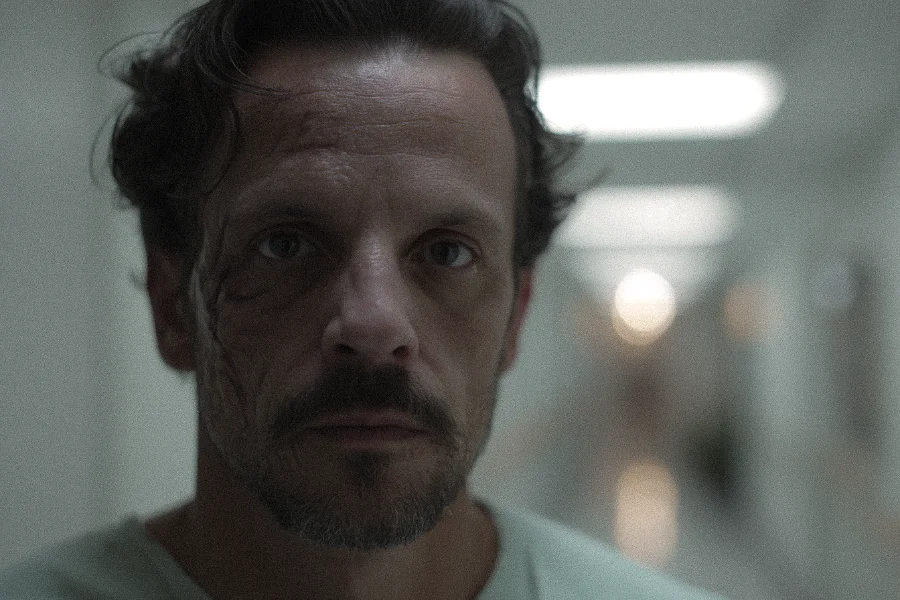
Prosopagnosia, commonly known as face blindness, is a neurological disorder in which those affected are unable to recognize and distinguish faces—even familiar people, family members, or their own reflection in the mirror remain anonymous. The brain does not process faces as a whole but breaks them down into meaningless individual parts. People with prosopagnosia compensate by using other identifying features: voice, gait, hairstyle, context. It is estimated that about 2% of the population is affected—most without a diagnosis, because they have developed their strategies so well that no one notices. As a special literary theme, face blindness offers extraordinary potential: a main character who saw the perpetrator but did not recognize his face. An investigator who can never reliably identify a person. A perpetrator who knows that his victim will never recognize him. Prosopagnosia disrupts the most reliable form of human identification, thereby creating an atmosphere of permanent uncertainty.